From back office to value engine: what forty years of GCCs have taught us
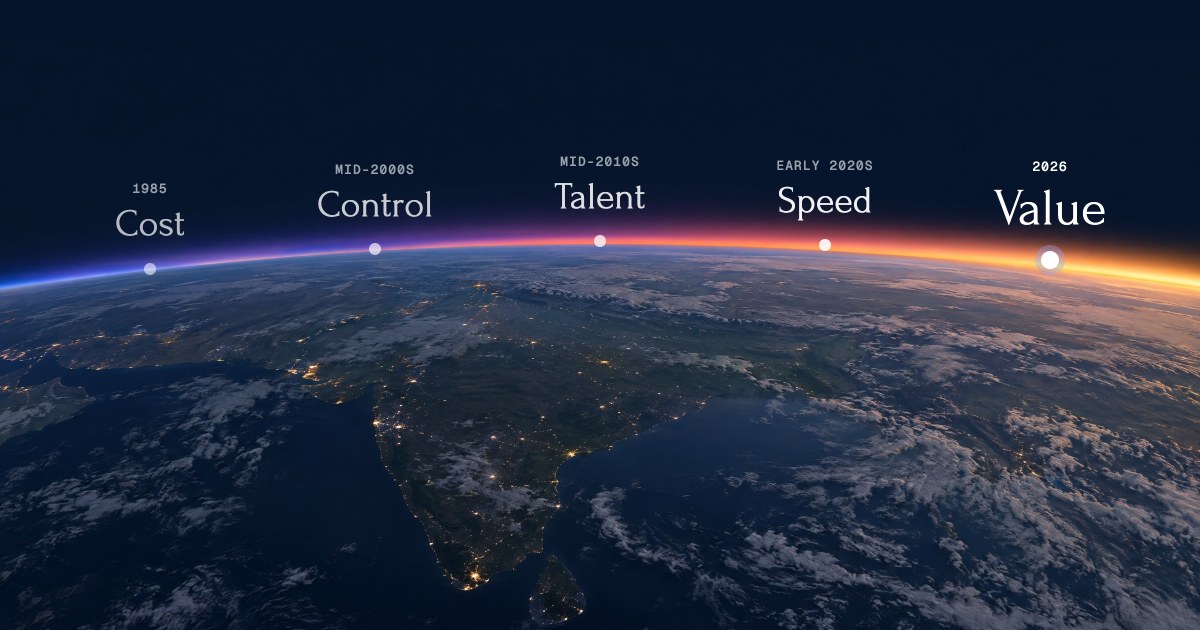
Cost no longer brings companies to India. A stage-by-stage look at the bottlenecks global capability centers have solved, the ones they still carry, and why capability, foundation and culture must be designed as one program.
For forty years, India's global capability centers have grown by removing one bottleneck at a time. Cost brought them here; control, talent and speed shaped them. The bottleneck now is value, and the hardest problems sit in the foundation and the culture beneath it.
At a glance
Cost no longer brings companies to India. An Indian engineering team cost about 36% of its US equivalent in 2024, barely changed since 2022. Yet 96% of GCCs set up since 2021 launched owning a product or portfolio.
Today's hardest problems are value, speed and the exit: proving worth to HQ, building AI capability faster than hiring allows, and transfers that slip or lose people.
Culture is the most underestimated risk. 84% of new GCC entrants name cultural integration a top challenge, and non-US GCCs are growing almost twice as fast as US ones.
The foundation is not table stakes. For a 100-seat center in Hyderabad, a managed model can avoid ₹1.3 to 2.8 crore of upfront cash and start in weeks rather than months.
The Ortellis thesis: capability, foundation and culture are one program, not three contracts.
In 1985, Texas Instruments set up a small design center in Bengaluru and sent its work home over a satellite link. Few could then have foreseen where that experiment would lead. Today India is home to 2,117 global capability centers (GCCs), employing 2.36 million people. The work they do has traveled a long way, from processing invoices to designing chips, building platforms and training AI models.
The journey has run through five distinct stages: the cost center, the captive build, the capability center, the partner-led boom and, now, the value center.
Looking back, a pattern emerges: every stage solved the problem of the one before it and quietly created a new one. Some of those problems were solved for good. Others simply changed their shape and followed the industry into the next decade. This article traces those problems stage by stage, identifies the ones that remain unsolved, and sets out the Ortellis view on how to solve them.
Five stages, five bottlenecks
Viewed across four decades, the history of GCCs is a series of bottlenecks. Each stage was defined by one constraint, removed it, and left something behind for the next stage to deal with. One constraint, culture, has run beneath all of them. The sections that follow look at each stage, with most attention on the two that matter today.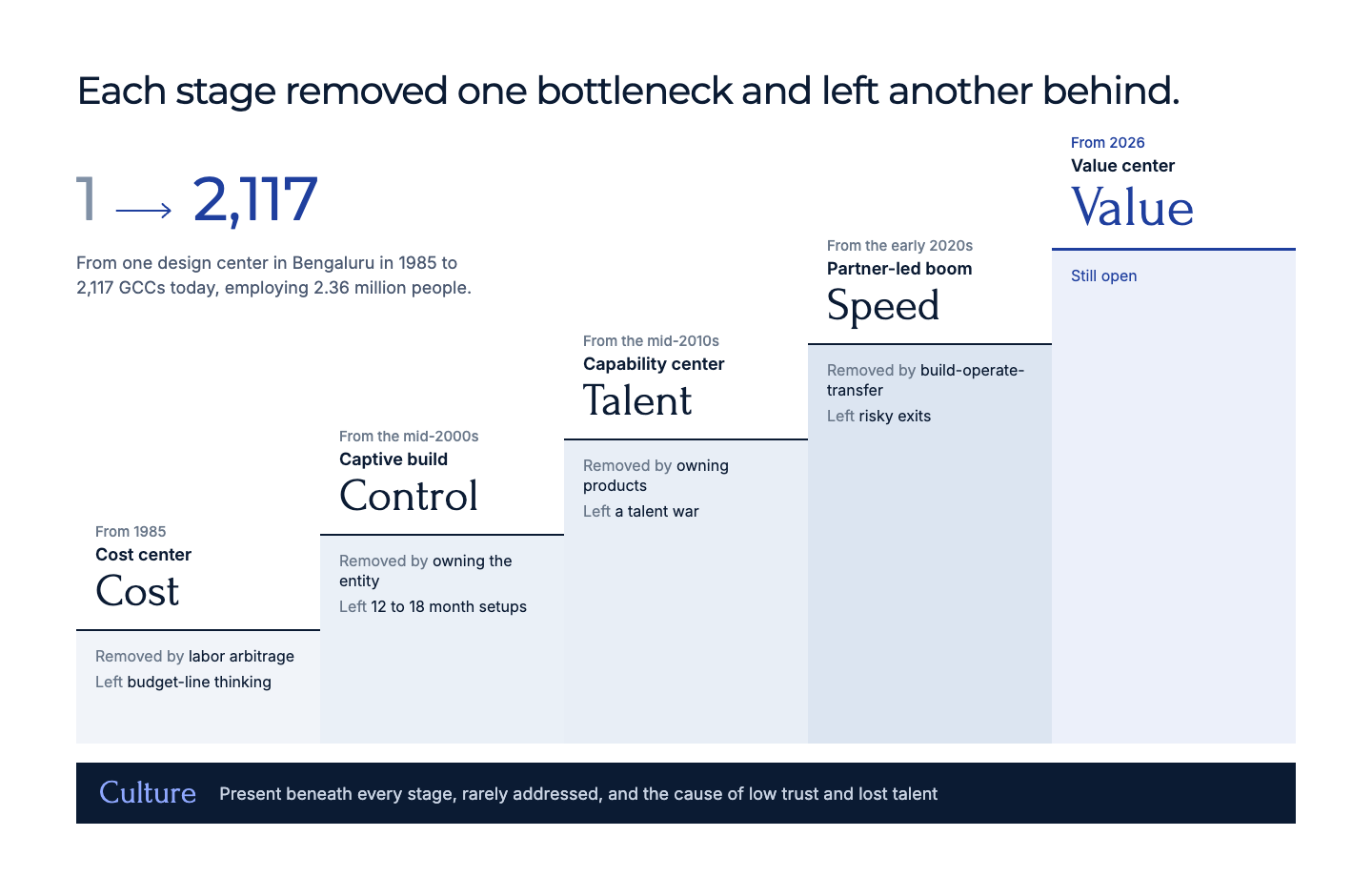 Figure 1. The bottleneck that defined each stage of India's GCC history. Source: Ortellis analysis.
Stages 1 to 3: where the problems began
Stage 1: The cost center (1985 to mid-2000s). Centers came for labor arbitrage and were measured in cost per transaction. Treated as a line in a budget, they struggled with high attrition, and each company built its own infrastructure, down to power backup.
Stage 2: The captive build (mid-2000s to mid-2010s). Companies moved from renting capacity to owning it. Control came at a price: the entity, the space, the registrations and the first hires could take 12 to 18 months, and site leaders spent their first year on paperwork rather than capability.
Stage 3: The capability center (mid-2010s to early 2020s). Centers began to own products and entire global functions, and competition for talent intensified. It has not abated since. GCC attrition in India has climbed back to 16% in 2026, and runs at 18 to 25% in AI and cloud roles. High performers leave for growth, autonomy and recognition rather than pay. Throughout, the foundation remained fragmented across many vendors.
None of these problems disappeared. They changed form, and they are most acute in the two stages that follow.
Stage 4: The partner-led boom (early 2020s to 2025)
If the captive era was about control, the next one was about speed. Companies unable to spend 18 months on setup turned to partners that would build the center, operate it and transfer it. Everest Group found that 40% of new GCC setups in India used this build-operate-transfer (BOT) model, up from under 10% just two years earlier.
The model opened India to a new category of company. India now has more than 480 mid-market GCCs, about 27% of the landscape, and 35% of them were set up in just two years. These firms are large enough to require a substantial presence in India, but lack the scale of a global bank to build one independently.
BOT solved the speed problem, but it introduced one of its own. The risk is concentrated at the exit. Handover dates drift when the transfer triggers were never documented. Key staff leave when their employer changes on paper. Running fees rise through the operate phase and erode the business case. Questions of deemed employment, accrued gratuity and IP ownership tend to surface only once the transfer is under way, when they are most costly to resolve.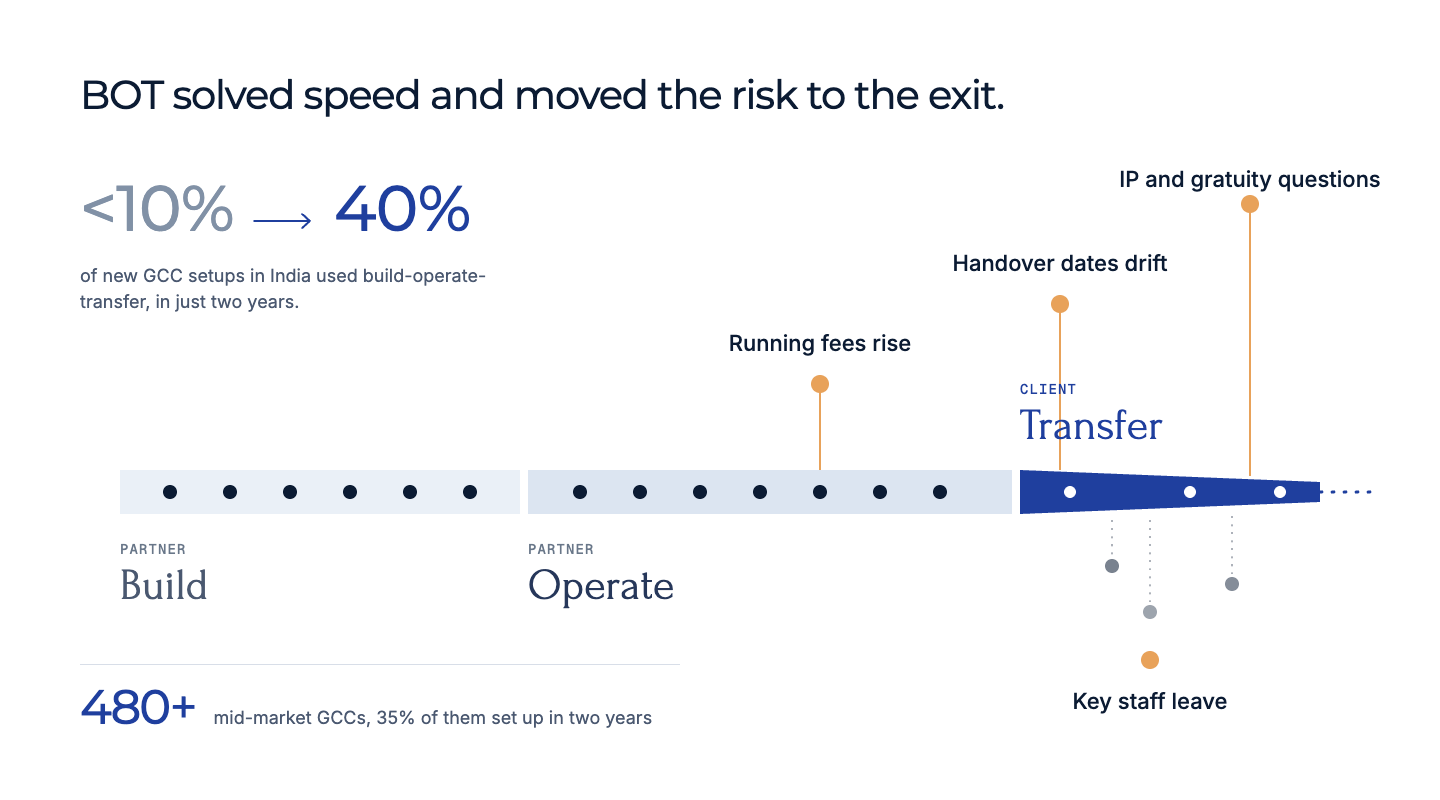 Figure 2. The shift to build-operate-transfer, and where its risk sits. Sources: Everest Group, via Torry Harris; Zinnov and Nasscom; Lakshmikumaran & Sridharan; Ortellis analysis.
Stage 5: The value center (2026 and beyond)
The industry has now entered a new stage. Cost, the reason the journey began, is no longer the deciding factor. Zinnov estimates that an Indian engineering team cost about 36% of its US equivalent in 2024, barely different from 35% in 2022. The gap that drew Texas Instruments here is no longer widening. What has changed is the work: 96% of GCCs set up since 2021 launched owning a product or a portfolio.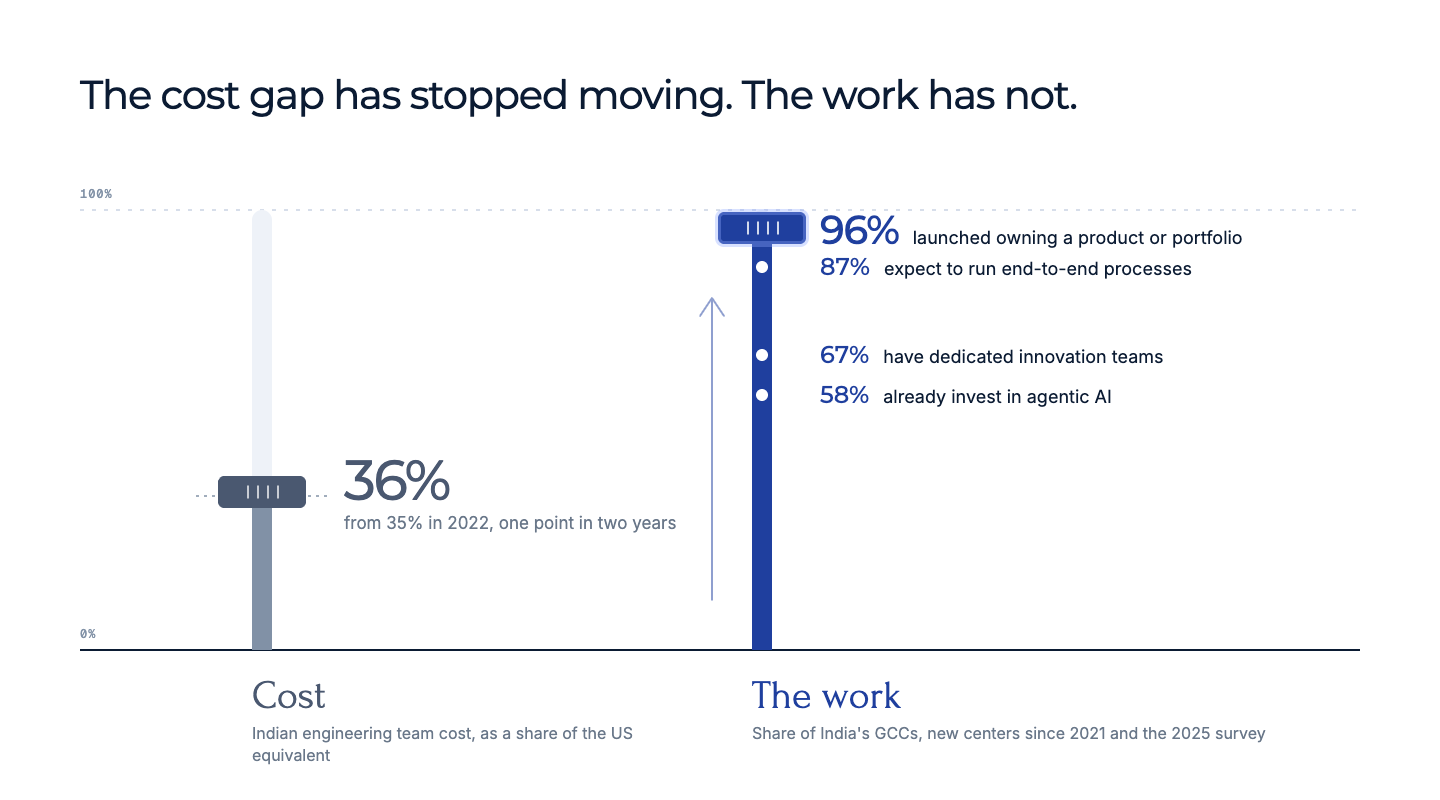 Figure 3. Signals of the value center. Sources: Zinnov; EY GCC Pulse Survey 2025.
Industry surveys reflect the same ambition. EY's 2025 GCC Pulse found that 58% of centers are already investing in agentic AI, 67% have created dedicated innovation teams, and 87% expect to run end-to-end processes for their global enterprise within a year. Hyderabad's office market shows the same shift. The city leased a record 7.5 million sq ft of office space in the first half of 2026, and GCCs took 45% of it.
The challenges of this stage are less visible than those before it, and in several respects more difficult:
The value gap. Many centers meet every SLA and still struggle to show HQ what they are worth. Meeting service levels is not the same as demonstrating value.
Capability at the speed of AI. HQ wants a generative AI or data center of excellence in months. Hiring cycles still move in quarters, and AI skills now go stale in about two and a half years.
The mid-market squeeze. Many centers are big enough to need a proper workplace but too small to run one well. Knight Frank found that facility costs per sq ft on large campuses are nearly half those of small offices.
People remain the largest lever. Workforce costs make up about 85% of what a GCC spends per employee, yet only 23% of Indian employees were engaged at work in 2025, the lowest in four years.
A rising compliance bar. The DPDP Act, the new labor codes and increasingly stringent client audits all raise the operating standard a center must meet.
The gap that runs beneath every stage: culture
One problem has been present at every stage of this story, and it is rarely reflected in a business case. It is the distance between how the parent company works and how its India center works. In a survey of 255 GCC leaders at US- and UK-headquartered companies, 84% of new entrants named cultural integration as a top challenge. Nearly half, 48%, said they were looking for local leaders with real cultural fluency.
That distance is widening. Non-US companies now account for roughly 35 to 38% of India's GCCs, and they are growing at about 6.8% a year, almost twice the pace of US centers. Asia-Pacific centers have grown by more than 65% in five years. There are now around 85 Japanese GCCs in India, employing more than 180,000 people, and over 60% of Japan's Forbes Global 2000 companies have yet to open one. A German engineering firm, a Japanese manufacturer and an American retailer each arrive with a different idea of what good work looks like.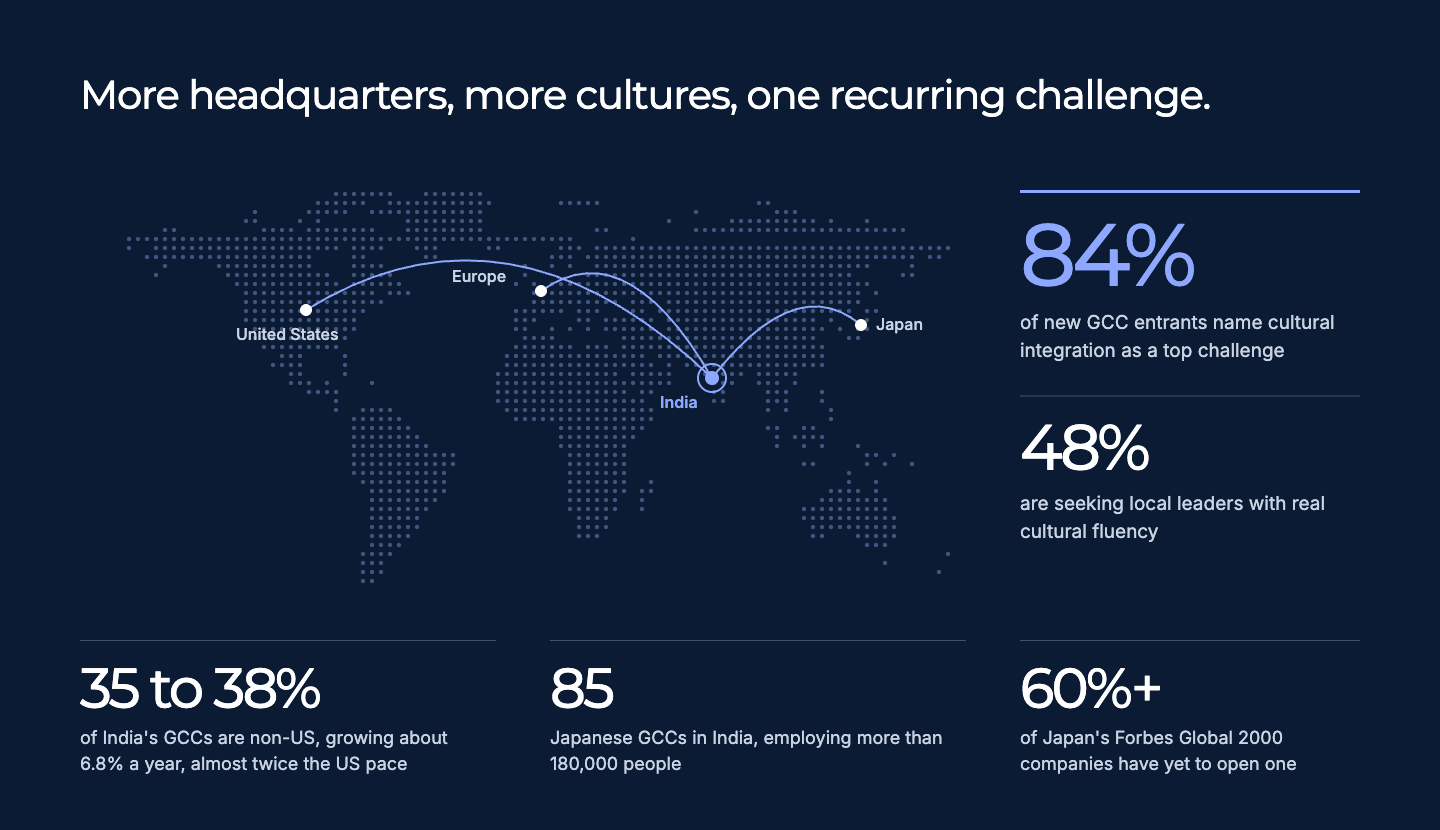 Figure 4. The culture gap in numbers. Sources: CaptiveAide and Feedback Insights survey, via Business Standard; Economic Times, via IndBiz; The GCC Hub.
The differences appear in routine, daily ways. Some headquarters decide by consensus and take their time; others expect the person closest to the work to make the call. Feedback is direct in some cultures and indirect in others, and a polite "yes" in a meeting may mean "I understand," not "I agree." Teams working with Japanese, German or French colleagues lose detail in translation, and more in unwritten norms. Sometimes the India team waits for permission when HQ expected initiative. Sometimes it is the reverse.
Left unaddressed, these gaps compound. Trust remains low, so HQ retains the most valuable work. The center completes tasks rather than owning outcomes. High performers, who joined for growth and autonomy, leave. It is the slowest way a GCC fails, and often the last to be recognized. Much of the work of closing that gap happens in one physical place: the workplace where both sides meet.
The workplace is where capability starts
A prevailing view in the industry holds that the foundation is now a solved problem: space, entities, payroll and HR are table stakes, and only the capability engine merits attention. Capability is the objective. Four decades of experience, however, indicate that the foundation is where capability is most often won or lost, and nowhere more so than in the workplace.
Every problem in this article ultimately manifests in a physical place. The months of setup in Stage 2 were mostly months spent finding, fitting out and registering a building. The competition for talent in Stage 3 is decided in part by where people work each day. And the culture gap closes, or widens, in the rooms where India teams and visiting HQ leaders actually meet.
That is why Ortellis does not treat the workplace as real estate. It is the first piece of capability a center needs, and it does three jobs at once:
It sets the speed. A team that can start work in a ready space on day one begins building capability months earlier than one waiting for a fit-out.
It shapes the people experience. Where people work, who they sit alongside and how well the place runs all feed engagement and retention.
It carries the culture. Shared spaces, rituals and HQ visits make the parent company's ways of working visible and real.
The workplace also decides how much capital is left for capability itself. Ortellis modeled a 100-seat GCC in HITEC City, Hyderabad, at current market rates, comparing an independent lease with a managed model.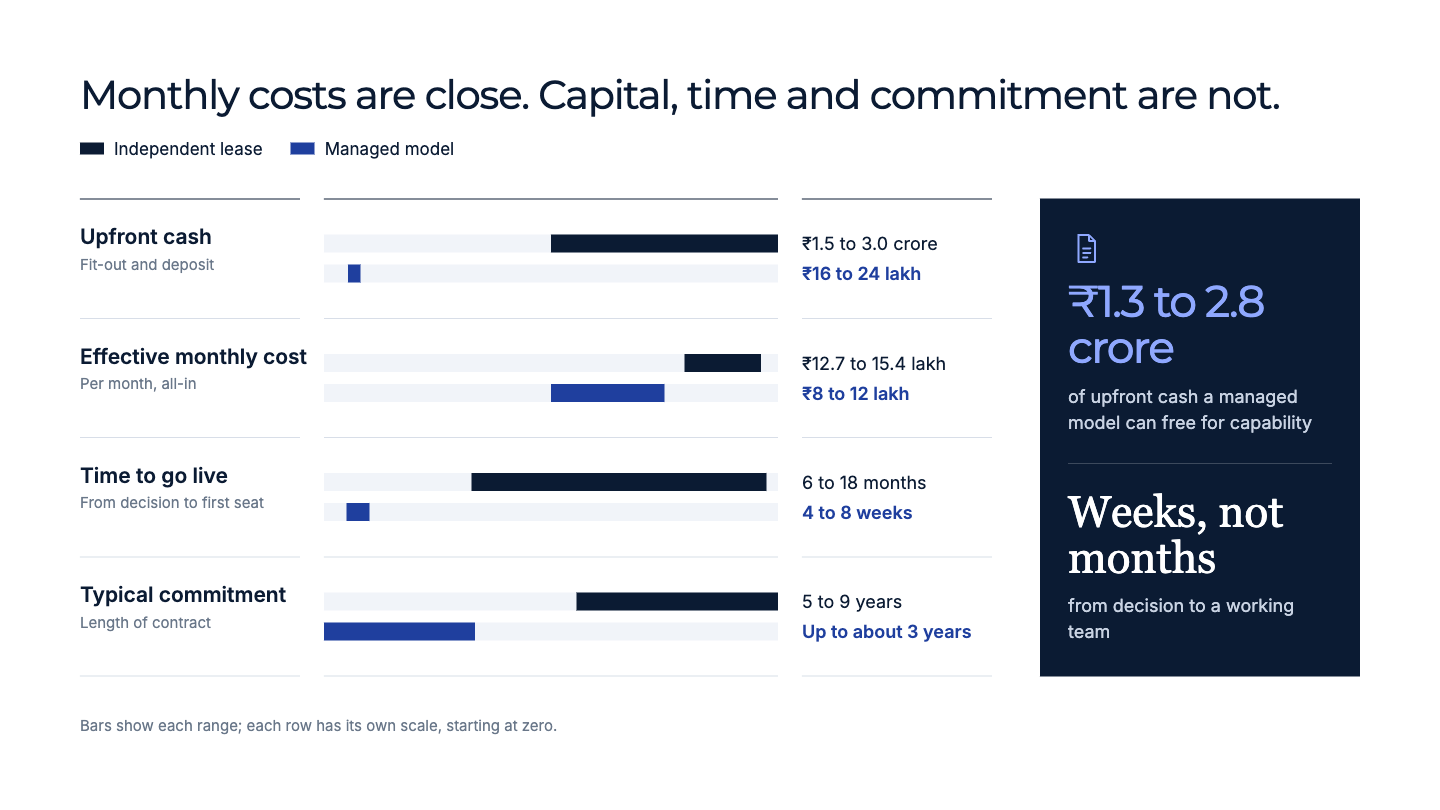 Figure 5. Indicative costs for a 100-seat center. Assumptions: about 9,000 sq ft; Grade A rent of ₹85 and maintenance of ₹10 per sq ft per month; mid-spec fit-out of ₹1,200 to 2,500 per sq ft, spread over five years; running costs of 30 to 40% of rent; managed seats at ₹8,000 to 12,000 per month. Taxes excluded. Source: Ortellis cost model.
The monthly costs are closer than most people expect. The real difference is capital, time and risk. A lease can be cheaper for a large, stable team that will stay for many years. But for a center whose headcount, mandate or ownership will change, which describes most GCCs in their first three years, the managed route releases crores of capital and months of time for investment in capability.
The Ortellis approach
Ortellis was built on a single thesis: capability, foundation and culture are one program, not three contracts. Designed together, each strengthens the others. Bought separately, they leave gaps, and those gaps are where centers fail.
The thesis comes from experience. Members of the Ortellis team have led vendor-to-captive transitions at global banks including Deutsche Bank and Wells Fargo, and have built and run the people and operations of growing companies. Its flagship incubation center is in SAS iTower, Hyderabad, a Grade A building. Its operations run on Humanely, an AI-powered company operating system that keeps context at every stage and handles payroll, HR, compliance, books and hiring. Ortellis also holds itself to a stated standard: a GCC operational within 90 days.
Each problem traced in this article has a specific answer in the Ortellis model:
Months of setup before real work starts (Stage 2). Teams start on day one in the Ortellis Launchpad, while the entity and their own floor are built in parallel.
A foundation split across many vendors (Stage 3). One accountable team for space, entity, hiring, payroll, compliance and facilities.
High performers leaving (Stage 3). Live work from day one, clear growth paths, and engagement tracked alongside delivery.
Transfers that slip or lose people (Stage 4). Transfer terms agreed in writing up front, full or partial, with the team built for the client from the start.
Compliance gaps found at exit (Stage 4). Payroll, HR, compliance and books run on Humanely, so the client sees its operation exactly as Ortellis does.
The value gap with HQ (Stage 5). Value targets set with HQ at the outset and tracked on live dashboards.
Capability needed faster than hiring allows (Stage 5). Pods on live use cases from day one, plus specialist partners and startups through Ortellis SEED.
Centers too small to run a workplace well (Stage 5). A flagship community at SAS iTower, Hyderabad, where many teams share one well-run operation.
A culture gap between HQ and India (every stage). Culture designed into the build from the first day, around the parent company's ways of working.
Just as the workplace is more than real estate, the back office is more than administration. It retains key people through the transfer and keeps the center audit-ready when it matters most.
Culture is part of the build, not an afterthought
Of everything above, culture is the problem Ortellis treats as most important, because it decides whether the rest works. A center can have the right space, the right people and the right systems, and still fail if HQ and India never learn to work as one team. In the Ortellis model, culture is planned, built and measured as carefully as any other capability. Seven principles guide it.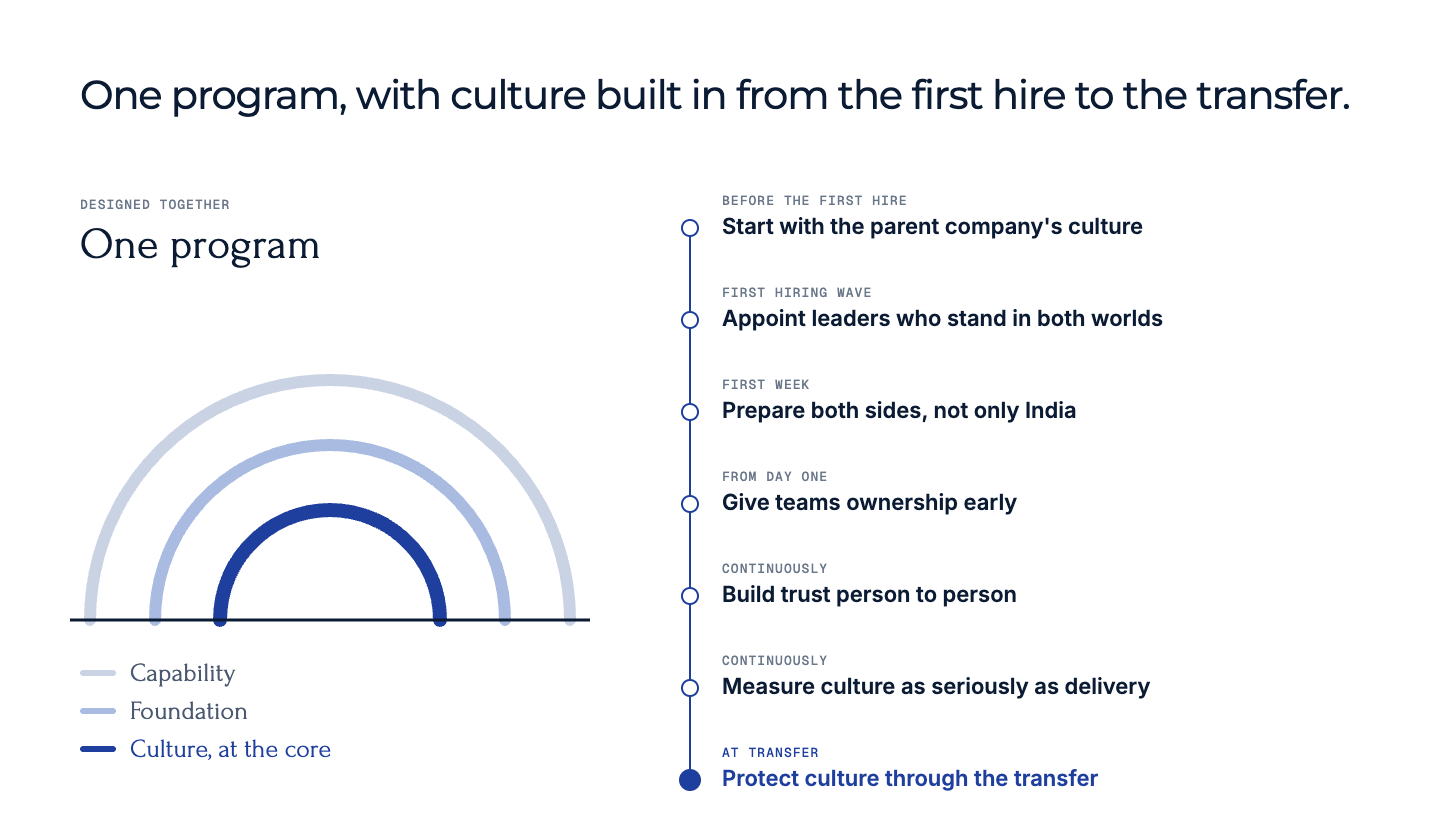 Figure 6. One program, with culture at its core, and the seven principles that build it. Source: Ortellis.
Start with the parent company's culture. Before the first hire, Ortellis maps how the headquarters actually works. How are decisions made, and by whom? How is feedback given? What does good performance look like, and what is never said aloud? A German engineering firm, a Japanese manufacturer and an American retailer each need a different answer, and the center's ways of working, policies and team structures are designed around theirs.
Appoint leaders who can stand in both worlds. A site leader shapes culture more than any policy can. Ortellis selects leaders for cultural fluency as much as for skill: people who have worked with that region, understand its unwritten rules, and can explain India to HQ as well as HQ to India. The same care goes into the team leads of the first hiring wave.
Prepare both sides, not only India. Indian teams are introduced to the parent company's values and expectations from their first week. HQ managers receive the same in reverse: how to brief, give feedback to and build trust with colleagues in India. Where language matters, as it often does with Japanese and European companies, language support is built into roles and into the rhythm of communication.
Build trust person to person. Culture is not transferred through presentations. From the start, Ortellis sets up shared rituals: joint planning and reviews, visits in both directions, buddy pairs across HQ and India, and town halls where both sides hear the same message at the same time. The Ortellis flagship community is designed for this, with room to collaborate, to host visiting teams and to bring people together.
Give teams ownership early. Trust grows fastest when HQ watches the center own an outcome rather than finish a task. That is why the first Ortellis pods work on live use cases from day one, with goals agreed with HQ. One early win changes perceptions faster than any culture program.
Measure culture as seriously as delivery. Engagement, team sentiment and HQ satisfaction sit on the same dashboards as delivery and cost, so that problems surface early. When fewer than one in four employees in India feels engaged at work, this cannot wait for an annual survey.
Protect culture through the transfer. Because the team has worked the parent company's way from the beginning, the handover changes the name of the employer, not the way people work. People stay because they already feel part of the company they are joining.
Ten questions to ask any GCC partner
These ten questions test any partner against the problems set out above, and bring most of the risks in this article to the surface before a contract is signed.
What exactly triggers the transfer, and is it written into the contract?
How is the transfer price calculated, and is the formula agreed up front?
Can the transfer be partial, with some functions moved and others kept managed?
Whose entity employs the team before transfer, and how are service, gratuity and leave protected at handover?
Who owns the IP from day one, and have the partner and every employee signed assignments?
How are running fees set during the operate phase, and what stops them from rising?
How will the center show its value to HQ, beyond meeting SLAs?
Who is responsible for culture, and how will it be measured?
Can the team start real work before the permanent office is ready?
Will the center be able to run its own HR, finance and compliance after transfer?
The next bottleneck
The GCC story is a history of bottlenecks removed one at a time. First it was cost, then control, then talent, then speed. Culture has persisted beneath all of them. The bottleneck now is value: proving to HQ, quarter after quarter, that the center is worth far more than it costs.
Neither better engineering nor a better office will resolve it alone. It will be resolved by centers where the capability, the foundation and the culture are designed together, from the first day to the day of transfer and beyond.
The first center in Bengaluru began with a satellite link. Forty years on, the decision to build in India carries far less uncertainty, and considerably higher stakes. For companies building or running a GCC today, the relevant question is which of these stages' problems they are still carrying. If the answer is more than one, Ortellis offers a GCC readiness conversation: a review of your center or plans against the ten questions above, with the full Hyderabad cost model for your headcount. Request one at ortellis.com.
Sources
Zinnov and Nasscom, India GCC Landscape Report FY26 (2,117 GCCs, 2.36 million employees)
Zinnov: Are India's GCCs retaining the right people? (attrition 2023 to 2026, AI and cloud attrition, reasons for leaving, June 2026)
Torry Harris, citing Everest Group 2024 (40% of new setups on BOT)
Zinnov and Nasscom: Mid-market GCC report (480+ mid-market GCCs, 35% set up in two years)
Zinnov: Is cost still the main reason companies set up GCCs in India? (36% cost ratio, 96% of new GCCs owning a product)
EY GCC Pulse Survey 2025 (58% in agentic AI, 67% with innovation teams, 87% expecting end-to-end ownership)
Deccan Chronicle, citing Knight Frank India (Hyderabad leasing, H1 2026)
The Tribune, citing Knight Frank India (facility costs on large campuses vs small offices, May 2026)
Mismo, citing EY's GCC cost benchmark (workforce about 85% of cost per employee)
Gallup, State of the Global Workplace 2026 (23% of Indian employees engaged in 2025)
Business Standard: Cultural integration and compliance top challenges for new GCCs (CaptiveAide and Feedback Insights survey, June 2024)
IndBiz, citing Economic Times: Surge in non-US GCCs (non-US share and growth, January 2025)
The GCC Hub: Japan's GCC bet on India (Japanese GCCs, citing the J2W survey 2025)
Lakshmikumaran & Sridharan: Managing employment and IP risks in GCCs (transfer and compliance risks)
Ortellis cost model for a 100-seat center in HITEC City, based on Prudential Realty: GCC real estate FAQ (Grade A rents, Q1 2026), PrimeDesk: Managed office space in HITEC City (managed seat pricing), India office fit-out cost guide and Sprint: Traditional office vs coworking costs in India (deposits and running costs)
Related reading
Flexibility Is the New Stability
Flexibility is becoming the foundation of workplace stability. Explore why enterprises are choosing managed workplaces, the operating costs beyond a lease, and how Ortellis brings space, people and operations together.
Read insight